Ho Chi Minh City's first model community tourism destination, amid the salt fields of Can Gio
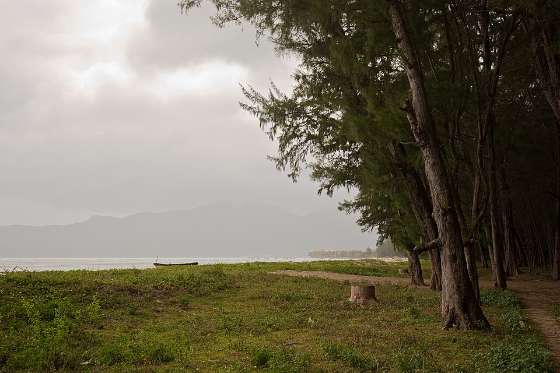
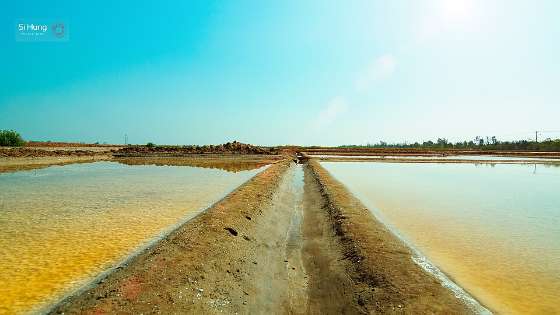
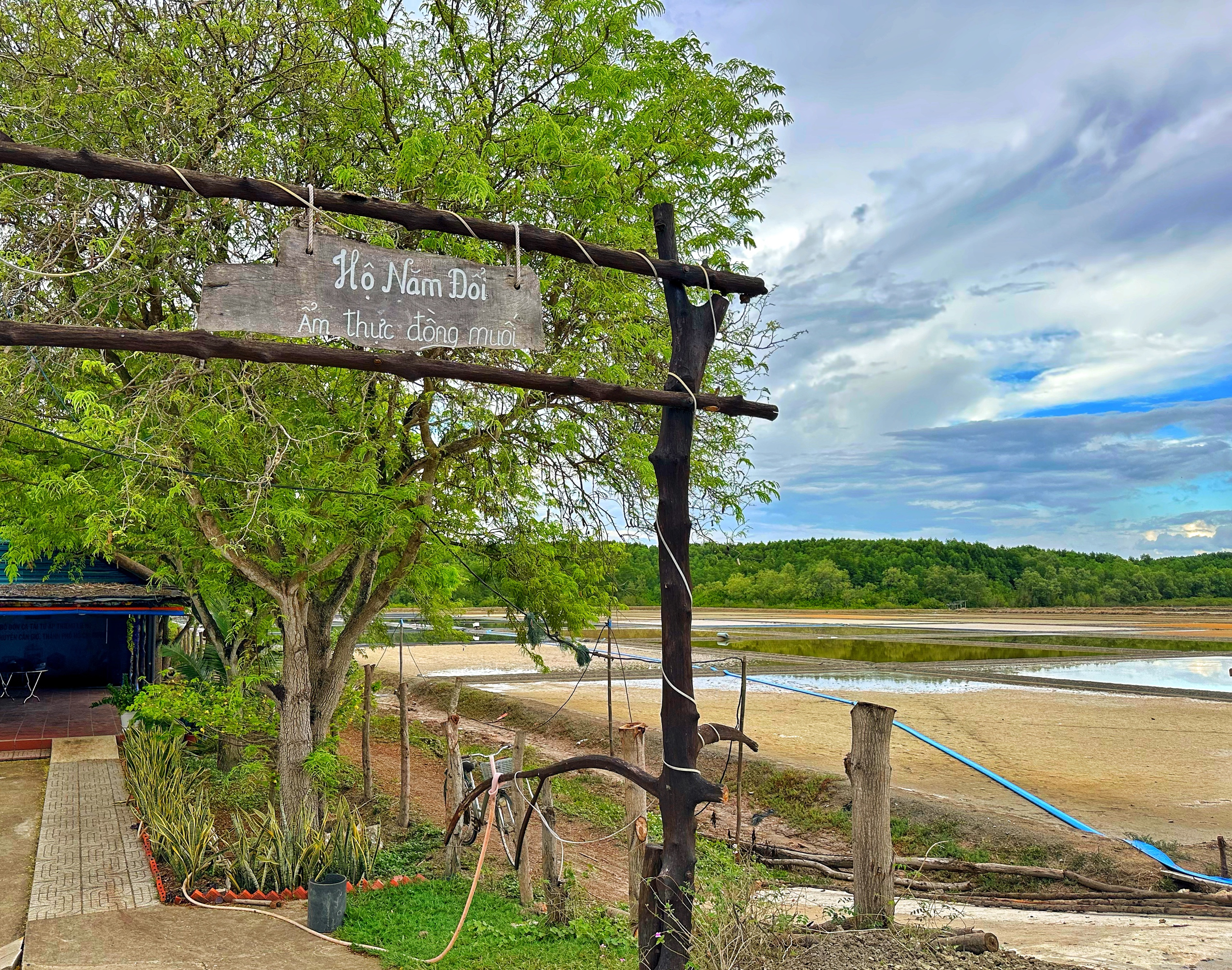
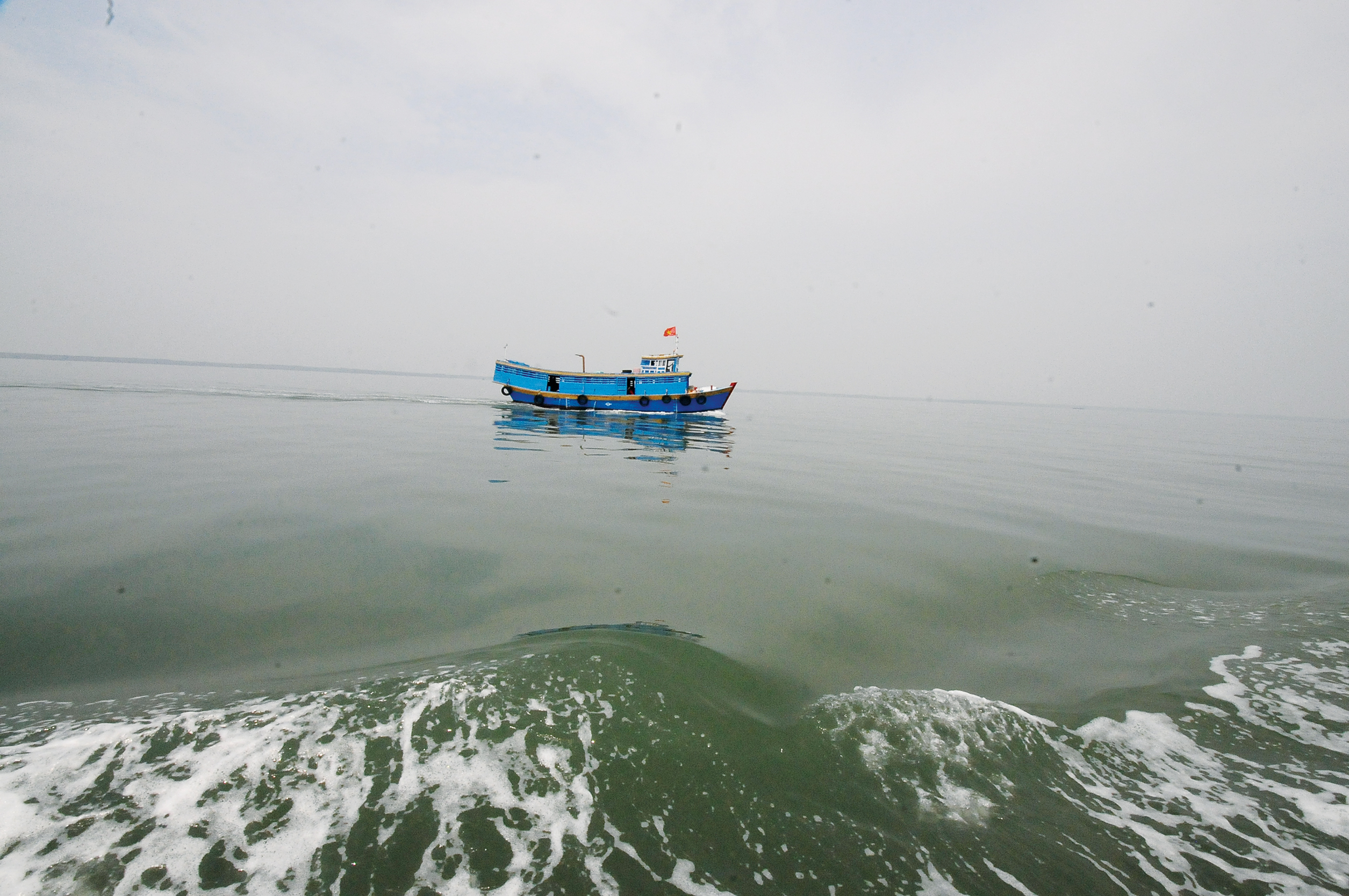
The whole island hamlet of Thieng Lieng has just one oval road, 4 km long, winding around salt fields, creeks and mangroves. No car horns, no dust – publications call it the "oasis of three no's". Residents live mainly from salt making, fishing and oyster farming at the river mouth. In December 2022, the Ho Chi Minh City Department of Tourism named Thieng Lieng the city's first model community tourism destination. Before that, the department and the Institute for Economic and Tourism Development surveyed it many times to plan its development into a tourism product tied to the community and to Can Gio's distinctive natural and cultural values. Notably, the attractions here grew out of the residents' own identity and existing conditions and are run by the households in the scheme themselves – you eat in their homes, listen to them sing and go out to the salt fields with them. Four spaces make up the soul of the island hamlet. The salt-making space is where you learn the salt-making process and tools, and can go into the fields to work alongside the salt makers to grasp the message "Flowers bloom in the land of white gold". The music space has guitars, moon lutes and sen lutes and the unpretentious voices of young people after a day's work – it has trained young singers who won top prizes. The nostalgia space is a collection of rural household objects from decades past, each with its own story. And the spiritual space is the Ngu Hanh Lady Shrine, where the Lady's festival is held every year on the 19th of the 2nd lunar month to pray for good weather and bountiful salt and aquaculture harvests. The experience here is what locals call the "three togethers": eat together, stay together, go to the salt fields together. You can cycle the village road to see the salt fields at harvest, trek forest trails, climb Giong Chua Hill – the city's only rocky hill – fly kites over the salt fields, fish, make grass jelly and soak your feet in coarse salt with more than 15 family-recipe herbs, then stay in a homestay or camp. For food there is sam drink made from fresh sam leaves picked around the garden, banh lot jelly noodles, aloe drink, nipa-palm coffee and ice cream, tamarind ice, salted lemon, red-spotted goby, oysters and the traditional "Tu To" braised fish, simmered for 8 hours and eaten with plain rice porridge. There are a few ways to get there. The cheapest is a ferry from Can Thanh to Thanh An, then another boat on to Thieng Lieng. Faster is a speedboat: about 30 minutes from the Can Gio Protection Forest Management Board pier or Tam Thon Hiep pier, or over an hour from the city centre. On the way, with luck, you may see dolphins leaping over the waves. A practical tip: book ahead. Services here are the kitchens, rooms and experiences of individual households, not ready-made service counters, so calling ahead both secures your spot and gives the hosts time to prepare.
English text: machine translation from the Localis platform — proper names kept in Vietnamese.Good to know
Best time to visitYear-round; best during the salt harvest season. Ba Ngu Hanh Festival on the 19th day of the 2nd lunar month
Services
- Experience "a day as a salt maker" in the salt fields
- Cycle the village road to see the salt fields at harvest
- Enjoy don ca tai tu music at a local home
- Soak feet in coarse salt with more than 15 herbs
- Trek forest trails and climb Giong Chua Hill
- Visit the Nostalgia Space and the Ngu Hanh Lady Shrine
- Eat home cooking and stay in homestays or camp on the island
- Catch crabs and clams and fish in the brackish ponds
















 Localis