

A jar-burial site over 2,000 years old in the Can Gio mangrove forest, a National Archaeological Relic
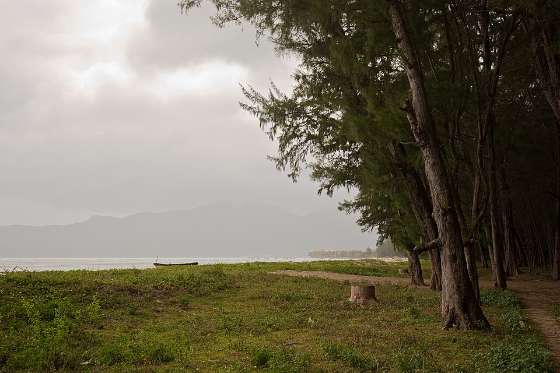
On a ridge of red earth amid the Can Gio mangrove forest lies the Giong Ca Vo archaeological site, dating back more than 2,000 years and designated a National Archaeological Relic in 2000. It is both a long-inhabited settlement site with deep cultural layers and a rich burial ground, bearing traces of the Sa Huynh and Oc Eo cultures. The site was discovered in 1993, first excavated in 1994 and surveyed in 2018. The central area covers 7,000 m² on a ridge about 1.5 m higher than its surroundings, some 100 m from the left bank of the Ha Thanh River, a branch of the Dinh Ba River, and is surrounded by rivers, creeks and mangrove forest. The whole area, as defined in the 2000 protection zoning dossier, covers 29,000 m². In just over 200 m² of excavation, archaeologists found 224 jar burials and 15 earth burials. The ancient inhabitants were buried in jars in a seated position with knees drawn up — a distinctive burial custom of this mangrove land — and the remains are fairly well preserved, dating to about 2,300 years ago. The burial jars at Giong Ca Vo are of two types, neither of which has been found at any other known jar-burial site in Southeast Asia. The grave goods are remarkably rich: pottery in the Dong Nai and Sa Huynh styles; double-headed animal earrings and three-pointed earrings; stone bracelets and agate beads; jewellery of gold, bronze, glass and shell; fishhooks, spearheads and metal axes; and even ca rang — the clay stoves familiar to the river-dwelling people of the South. Together they are traces of an early port settlement at Can Gio's "front gate", on the trade and migration routes of the East Sea more than 2,000 years ago. Note before you go: the site currently has no exhibition building or visitor path for individual travellers, and according to a publication of the former Can Gio district, it only receives research groups. Think of Giong Ca Vo as background to the story of Can Gio when visiting other stops on the culture and history route, such as the Whale Temple (Lang Ong Thuy Tuong) or the Rung Sac Base.
English text: machine translation from the Localis platform — proper names kept in Vietnamese.Good to know
Best time to visitYear-round
Services
- Learn about the jar-burial custom of Can Gio's ancient inhabitants, over 2,000 years old
- Combine Can Gio with Lang Ong Thuy Tuong and Rung Sac















 Localis