
An orchard area along the Saigon River, home of the Lai Thieu mangosteen, which ripens in abundance from late in the 4th lunar month through the 5th lunar month
Gallery from the Localis platform
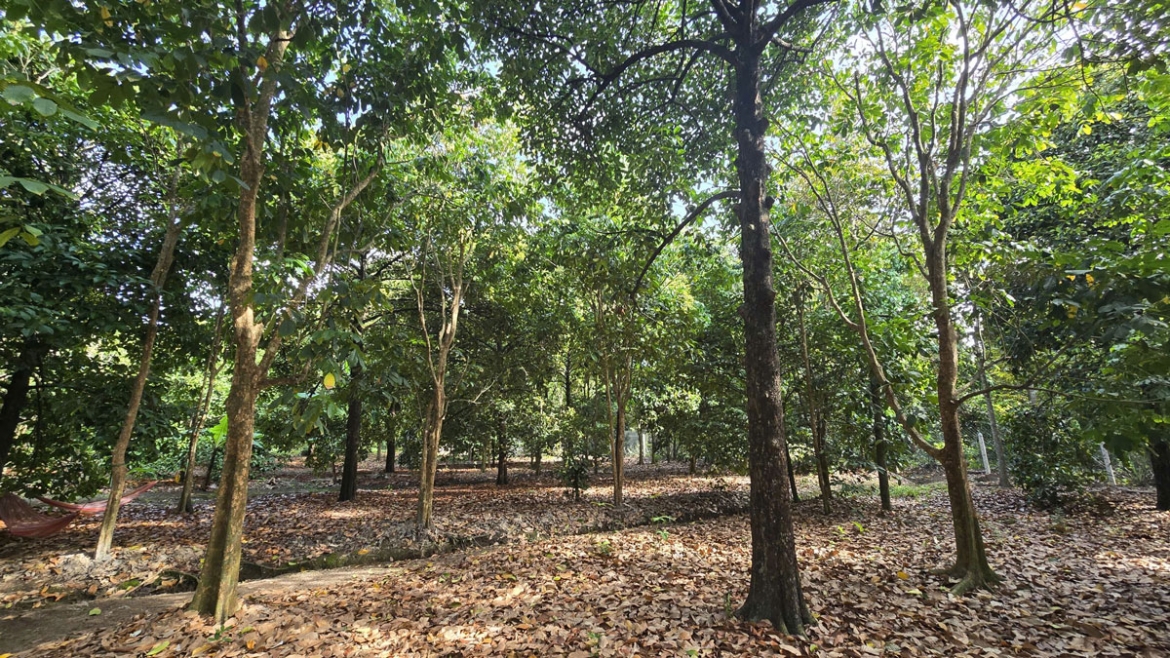


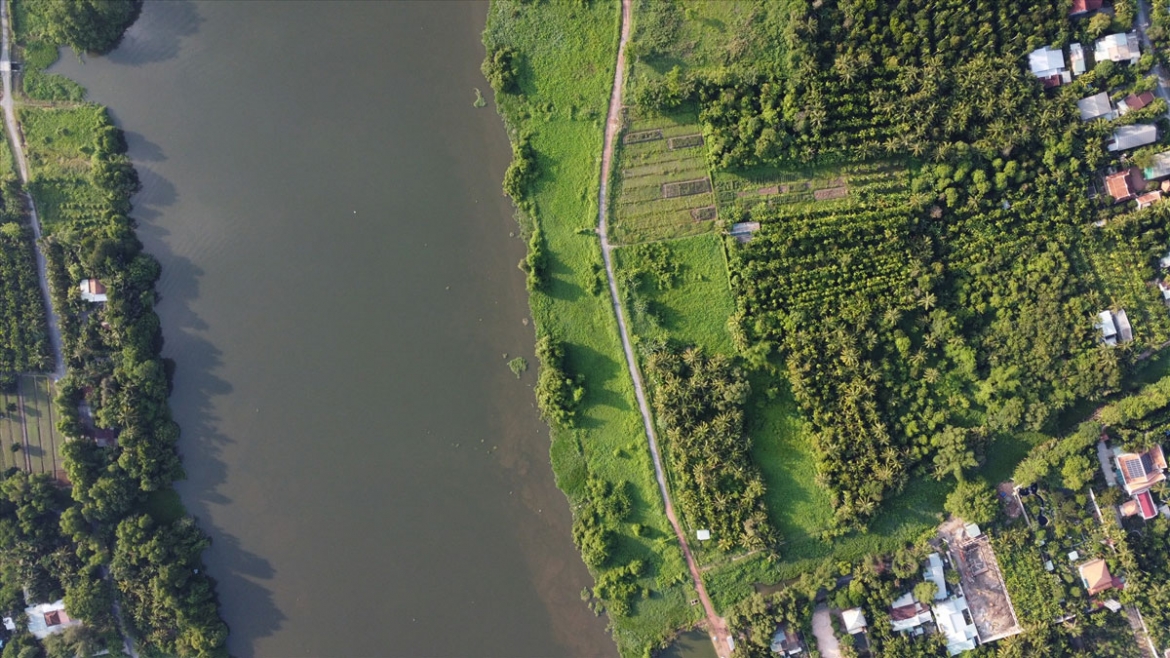
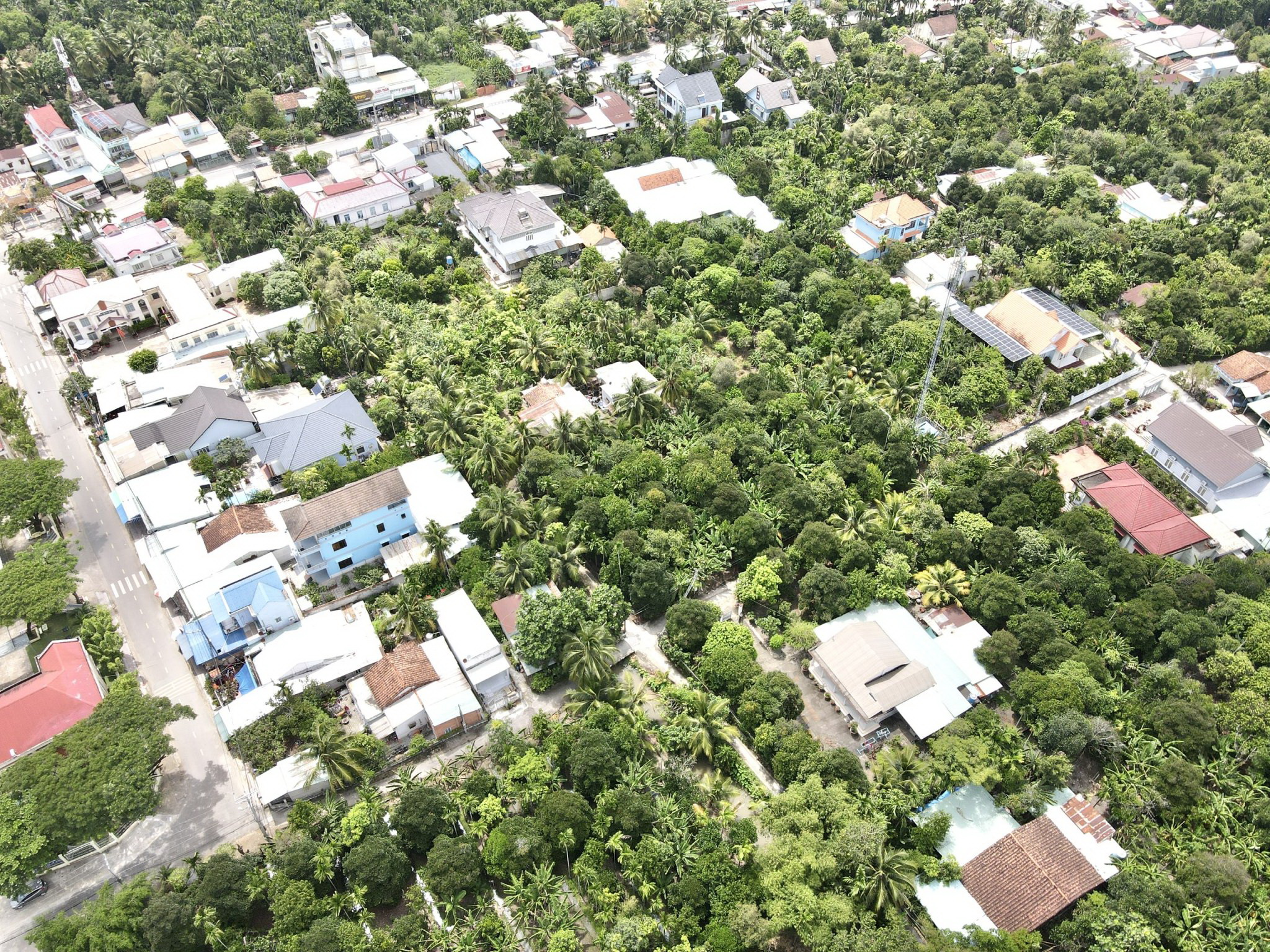
Heading north from Lai Thieu Market along the bank of the Saigon River, you will come across orchards of mangosteen, durian and to nu jackfruit interspersed among local homes. This is the Lai Thieu fruit orchard area, now spread across the two wards of Lai Thieu and Thuan An in Ho Chi Minh City, formerly part of Thuan An city in the former Binh Duong province. It is not a gated tourist site but a whole area of family-owned orchard land, which the Ho Chi Minh City Travel Handbook describes as a long-established fruit-growing area, about 200 years old. The soul of the area is the mangosteen. Lai Thieu mangosteen was named among Vietnam's top 50 famous specialty fruits in 2012, and since 2013 it has been a collective trademark recognized by the Intellectual Property Office, reserved only for fruit grown on the land of former Thuan An. Locals recognize their own fruit by its thin rind, white flesh with many segments, and a delicate sweetness with a hint of sourness. There is a reason the old orchards here are treasured: a mangosteen tree takes about 20 years to bear fruit reliably, so a "grandfather mangosteen" tree over 50 years old represents many years of work, and quite a few orchards have been passed down from one generation to the next. The best season is when the fruit ripens in abundance, from around late in the 4th lunar month through the 5th lunar month; the solar dates change each year. At that time, orchard owners display fruit right in front of their homes and along Cach Mang Thang Tam Street in the Cau Ngang area, while orchard-style eateries serve fruit-based dishes such as chicken and mangosteen salad, durian grilled chicken, and mangosteen salad with shrimp and pork. This period also coincides with the "Lai Thieu Ripe Fruit Season" Festival around the Doan Ngo Festival, which has its own entry in the festivals section. Outside the ripe fruit season, the orchards offer mostly just green foliage. A few things to know in advance. The orchard area has no common opening hours or ticket prices; each orchard is owned by a family that decides for itself whether to receive visitors. The orchard area has shrunk considerably compared to the past due to urbanization and infrastructure projects such as Ring Road 3, and the figures cited vary depending on the time and method of calculation, from about 1,200 ha in the Department's handbook to more than 200 ha of mangosteen reported by Thuan An Ward in 2026. The orchards are local people's farmland and homes, so enter only when invited by the owner or through an eatery or a spot that welcomes visitors. The fruit on the trees is the owners' property and livelihood: don't pick it without permission, and if you want to buy some, buy it right at the orchard, which is also the most direct way to help locals keep their old mangosteen trees. Lai Thieu suits those who want a half day in the orchard countryside right next to the inner city, eating fruit in season and understanding why the mangosteen here is so cherished; it can be combined with Lai Thieu Market and Lai Thieu Pottery Village in the same trip. If you are looking for an eco-park with clear paths, services and set hours year-round, or are going in a month without fruit, this trip will not match your expectations.
Information compiled by Localis, last updated 13 October 2026.Good to know
Best time to visitLate in the 4th lunar month through the 5th lunar month (peak fruit ripening); solar dates change each year
Highlights
- Visit the fruit orchards during the ripe fruit season
- Buy fruit at the orchards and in the Cau Ngang area
- Try orchard dishes such as chicken and mangosteen salad and durian grilled chicken
- Attend the Lai Thieu Ripe Fruit Season Festival during the Doan Ngo Festival