A pottery village on the Saigon River with three glaze traditions - Cantonese, Teochew and Hokkien - and the rooster bowl familiar across southern Vietnam
Gallery from the Localis platform

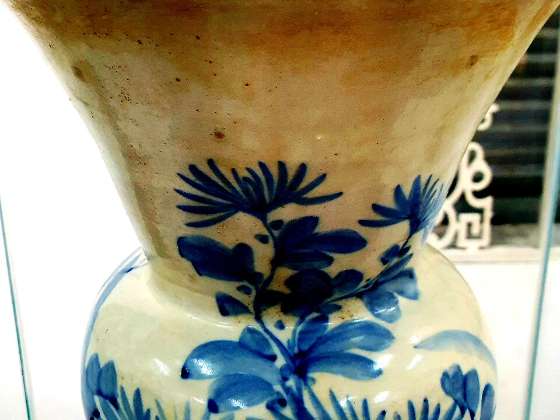
Lai Thieu (now Lai Thieu ward, Ho Chi Minh City, formerly part of Thuan An city, Binh Duong) was once a major pottery centre of southern Vietnam, taking shape and growing from about the second half of the 19th century thanks to good clay and the Saigon River, a convenient route for shipping goods across the six provinces of Cochinchina. Potters of Chinese origin from three groups - Cantonese, Teochew and Hokkien - brought their own techniques and gave rise to three traditions: Cantonese ware used monochrome glazes for decorative pieces in temples, pagodas and gardens; Teochew ware was painted in five-colour or blue-and-white glazes for household items and became famous for bowls decorated with a rooster; Hokkien ware produced large vessels such as jars, pots and oil lamps with plain, rustic painting. In 2021, Binh Duong pottery - associated with the Lai Thieu name - was declared a national intangible cultural heritage. Many old kilns have shrunk or moved because of urbanisation, but some families and workshops such as Vuon Nha Gom still keep producing, opening display spaces and letting visitors try their hand at shaping clay.
English text: machine translation from the Localis platform — proper names kept in Vietnamese.Good to know
Services
- Visit to the ceramics display space
- Guided pottery-making experience
- Purchase of handmade ceramics

















 Localis