

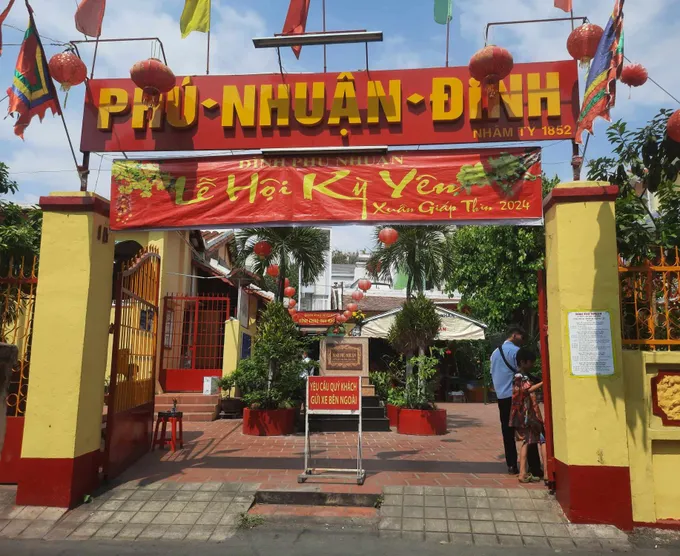
A 19th-century Southern Vietnamese village communal house
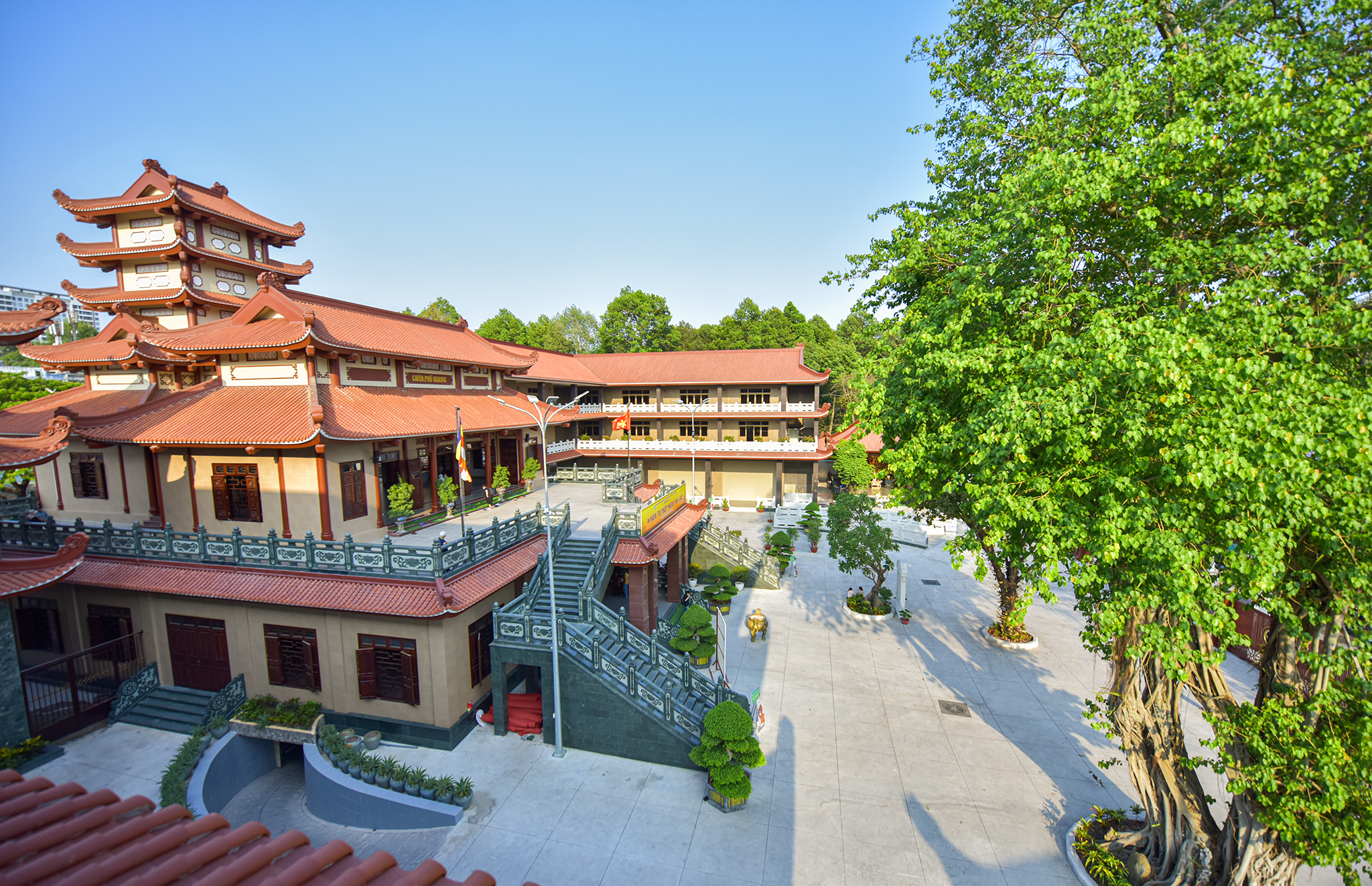
Phu Nhuan Communal House is one of the oldest places of worship still standing amid the busy rhythm of Ho Chi Minh City. Founded around the middle of the 19th century, when Phu Nhuan was still on the outskirts of Saigon, the communal house venerates the tutelary deity of the village and once served to bind together the community of settlers who came to clear the land and build their lives here. Through many restorations, the building has kept the essential features of 19th-century Southern Vietnamese communal-house architecture. Its spaces comprise the vo ca performance hall, the vo quy antechamber, the main hall and the annex house; inside are numerous artefacts, horizontal lacquered boards, carved openwork panels and traditional carved reliefs. In front of the communal house stand the Tiger Lord stele, the shrine of the Five Elements and an altar to Than Nong, the god of agriculture, reflecting the distinctive layer of folk belief of the southern region. Amid the modern streets, Phu Nhuan Communal House is a fitting stop for anyone who wants to understand the religious life, the old architecture and the cultural memory of Saigon. The site was classified as a national monument of architectural art in 1997.
English text: machine translation from the Localis platform — proper names kept in Vietnamese.Good to know
Best time to visitYear-round; most distinctive during the Ky Yen Festival (1st–2nd lunar months) with ritual ceremonies…
Services
- High - no leaflets or audio guide; the keeper of the communal house is the main source of information














 Localis